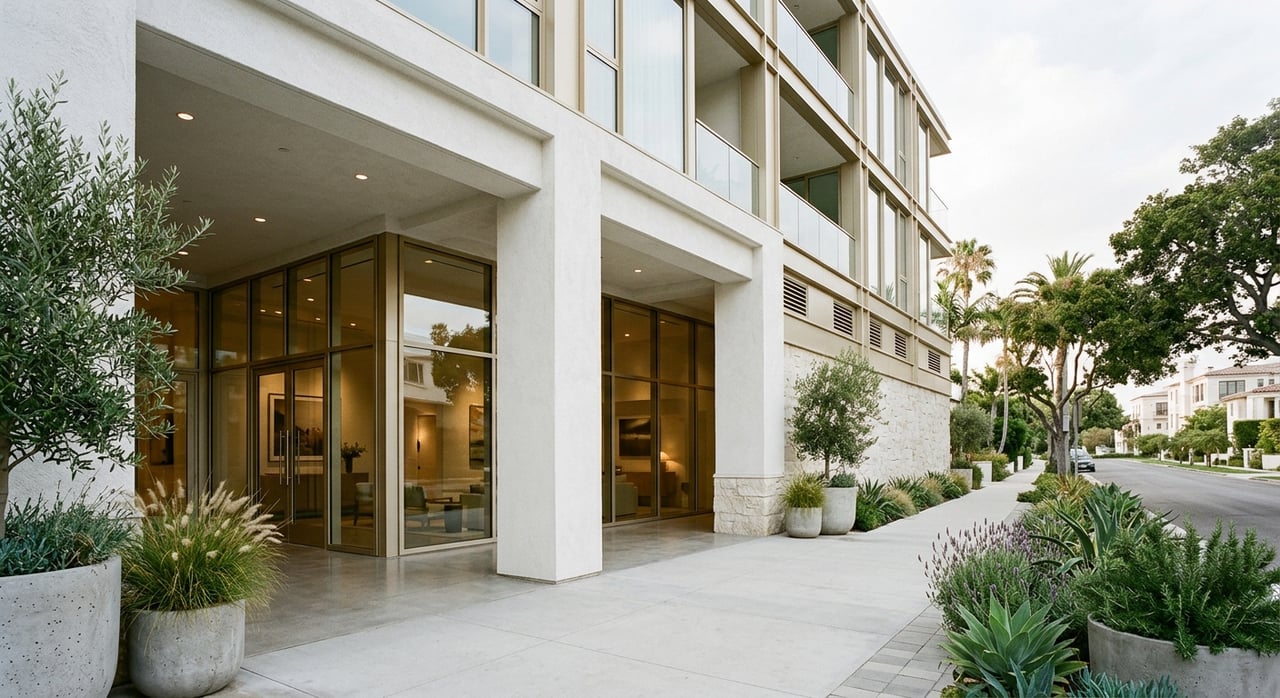
South Beach Walkable Lifestyle: Is Car-Light Living Right?
May 21, 2026
May 21, 2026
If you are wondering whether you really need a car in South Beach, the short answer is often no. In this part of Miami Beach, many daily trips are short, the street pattern supports walking, and local transit options fill in a lot of the gaps. If you are considering a move, this guide will help you picture what car-light living actually looks like, where it works best, and when a car can still be useful. Let’s dive in.
South Beach is one of the most practical places in South Florida for a car-light routine. Miami & Miami Beach describes the neighborhood as stretching from South Pointe Park north to 23rd Street, with many well-known destinations close together on Miami Beach’s barrier island.
That layout matters in everyday life. Instead of planning around long drives for every errand, you can often walk to dining, outdoor spaces, and local services. The City of Miami Beach also says its transportation policy puts pedestrians first, followed by transit, bicycles, freight, and private vehicles.
The city adds that about 45% of residents, commuters, and visitors already walk, bike, or use transit as their primary mode. That helps explain why going car-light in South Beach feels practical for many people, not unusual.
For most residents, walking is the simplest way to get around South Beach. The neighborhood has several areas built for strolling, short errands, and casual daily routines.
Beachwalk is a major part of that experience. The City of Miami Beach says this nine-mile oceanfront promenade is ADA-accessible, open 24/7, and designed for jogging, cycling, and strolling, with connections north toward Surfside and Bal Harbour.
South Beach also includes pedestrian-focused destinations that make walking feel natural. Miami & Miami Beach highlights Lincoln Road as a pedestrian thoroughfare, Española Way as pedestrian-only, and Ocean Drive and Lummus Park as part of the classic walkable South Beach experience.
In practical terms, that means many of the places people want to spend time are already set up for life on foot. A morning coffee stop, a dinner reservation, or an evening walk can often happen without getting behind the wheel.
When a walk is a little too far, the South Beach trolley becomes one of the most useful tools in a car-light routine. The City of Miami Beach says it connects riders to hundreds of local destinations, including grocery stores, pharmacies, restaurants, museums, libraries, parks, banks, marinas, hotels, and civic facilities.
That kind of coverage matters more than it may sound on paper. It means the trolley is not just for sightseeing or occasional trips. It can support the kinds of errands and appointments that make up regular daily life.
According to the city, the South Beach trolley runs seven days a week from 8 a.m. to 11 p.m., with service about every 20 minutes. The city also notes that the vehicles are low-floor, which helps improve accessibility.
For many residents, this is what makes a car-light setup more realistic. You can walk when it is pleasant and quick, then use the trolley when you want to save time or avoid carrying bags too far.
Biking is another strong option for short local trips, especially when you want to cover more ground than you would on foot. Citi Bike is the official bike-share and rental system for Miami and Miami Beach, with more than 160 station locations and service available 24 hours a day, 365 days a year.
For residents, that creates flexibility. You may not need to own a bike to benefit from bike access, and Miami Beach also promotes resident perks that include free short rides for some residents.
Still, biking in South Beach comes with location-specific rules that shape how people actually move around. The City of Miami Beach says bicycles and micromobility devices are prohibited on the Beachwalk, city sidewalks, Collins Park, Marina Baywalk south of 5th Street, the Promenade west of the Beachwalk between 24th and 29th Streets, and South Pointe Park.
The city also says bicycles are allowed on Lincoln Road only between 2 a.m. and 9 a.m. In other words, biking is useful, but it is not something you can do everywhere in the neighborhood without planning ahead.
Those rules help explain why many South Beach residents use a mix of walking and biking rather than relying heavily on one mode alone. In pedestrian-heavy areas, walking is often the expected and more comfortable choice.
That is especially true in places where public space is part of the lifestyle appeal. If you are heading through Lincoln Road, around Ocean Drive, or toward other pedestrian-focused areas, you may find that the easiest approach is to park the bike and continue on foot.
This is one reason South Beach feels different from a purely bike-oriented neighborhood. It supports bikes well for certain local trips, but its most iconic spaces are often designed to prioritize walking.
Living car-light does not mean staying inside the neighborhood all the time. South Beach also has regional transit connections that can help you reach the mainland and the airport.
Miami-Dade Metrobus provides several useful links. County route information shows service from South Beach on Route 15 to Omni and the Adrienne Arsht Metromover Station via the Venetian Causeway, Route 20 to the Miami International Airport Metrorail Station and the Adrienne Arsht or Omni area, Route 79 from Hialeah Metrorail Station to South Beach, Route 101 from Mount Sinai in Miami Beach to Government Center in Downtown Miami, and Route 150 serving Mid Beach, South Beach, and Lincoln Road from Miami International Airport Station.
Metrobus also says its buses are equipped with front bike racks. That can make it easier to combine biking with transit if you want more flexibility on either end of the trip.
There is also a weekday water taxi between Miami Beach and Downtown Miami, according to Miami & Miami Beach, with a trip time of about 20 minutes. For most people, that is better viewed as a supplemental option rather than the backbone of a daily routine.
Even in a walkable neighborhood, there will be moments when convenience matters more than routine. That is where rideshare often becomes the easiest backup.
If you are carrying shopping bags, heading out with luggage, trying to avoid a longer wait, or coming home later in the evening, point-to-point service can fill in the gaps that walking, biking, and transit do not always cover as smoothly. In a neighborhood like South Beach, that convenience layer can help you maintain a car-light lifestyle without feeling limited.
For many local routines, a car is optional in South Beach. The combination of walking, the trolley, bike share, and regional bus service covers a surprising amount of daily life.
That said, a car can still be helpful in certain situations. It may make sense for mainland errands, larger shopping trips, airport timing, or days when you simply do not want to coordinate several smaller modes of transportation.
Miami Beach also continues to support drivers through its parking system. The city says it operates 66 surface parking lots, 12 garages, and 19 residential parking permit zones citywide, with resident programs that can include $1-per-hour metered parking, discounted garage parking, and monthly parking subject to availability.
The key takeaway is balance. In South Beach, owning a car is not always necessary for everyday convenience, but having access to one can still be useful depending on your schedule and habits.
If you are trying to picture daily life here, a realistic routine is fairly simple. You might walk to coffee, the beach, dinner, or nearby services, use Citi Bike for a slightly longer local trip, and take the South Beach trolley when the walk feels too far in the heat or when you want an easier errand run.
For airport connections or mainland plans, Metrobus can handle the regional leg of the trip. Then, when timing or convenience matters most, rideshare or a personal car can step in as backup.
That layered approach is what makes South Beach stand out. You are not relying on a single transportation option to do everything. Instead, you have several practical choices that can work together.
Transportation is part of lifestyle, but it is also part of how a home functions day to day. If you are buying in South Beach, understanding how residents actually move through the neighborhood can help you choose the right building, street, and overall routine.
For some buyers, car-light living is a major quality-of-life upgrade. It can mean less time parking, fewer short drives, and easier access to the places you enjoy most often.
For others, the goal is flexibility rather than fully giving up a car. In that case, South Beach can still be appealing because it offers the option to drive less while keeping regional connections and parking resources available.
If you are evaluating South Beach alongside other Miami neighborhoods, this is one of the clearest lifestyle differences to weigh. The ability to walk, bike, and use local transit for everyday trips can have a real impact on how connected and convenient your home feels over time.
If you are exploring South Beach or other Miami Beach neighborhoods and want calm, strategic guidance on finding the right fit for your lifestyle, connect with Gina Kirkpatrick - Main Site.
Stay up to date on the latest real estate trends.




Ready to find your perfect home or sell with confidence? Trust Gina Kirkpatrick at Douglas Elliman for expert guidance, personalized strategy and results that exceed expectations.